Clinical Chaplaincy Formation
Clinical Pastoral Care Unit (CPE) at Advocate Lutheran General Hospital
Metrics
1 Unit Completed
Granted credit for one unit of Level I Clinical Pastoral Education through ACPE.
June–August 2019
Clinical Pastoral Education Internship, June 6–August 22, 2019.
Hospital-Based Training
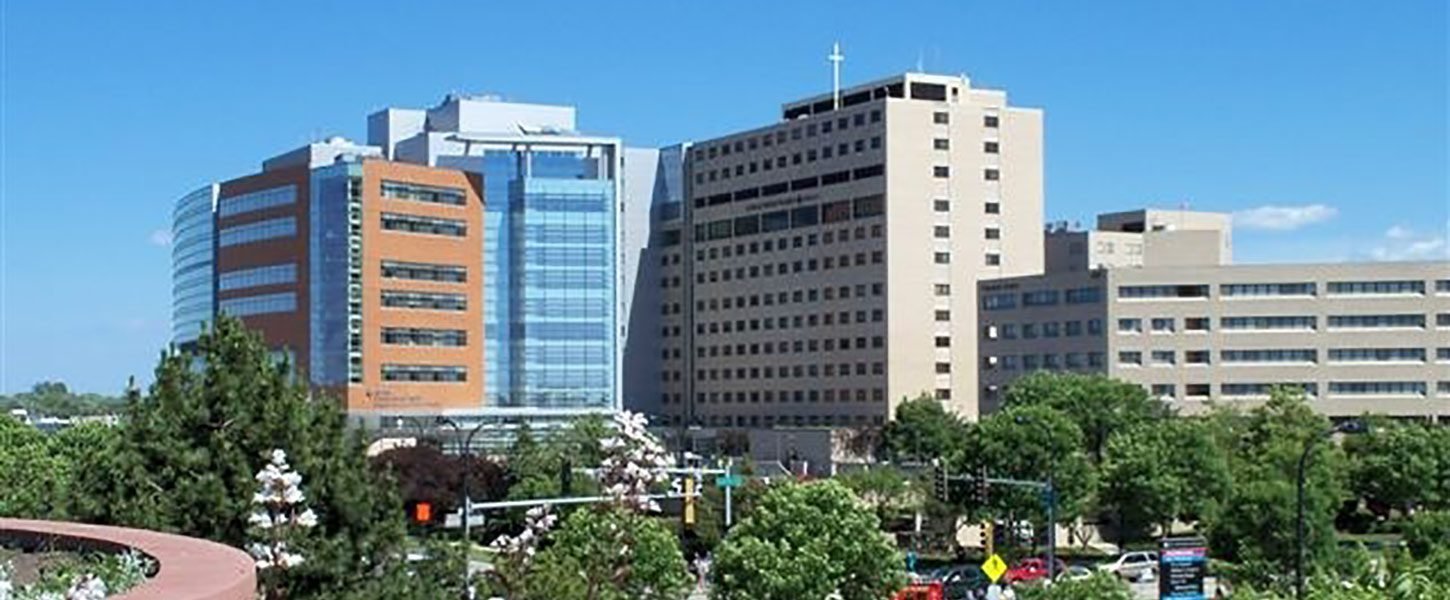
Completed at Advocate Lutheran General Hospital, Mission and Spiritual Care.
Oncology + On-Call Focus
Clinical experience included weekly on-call shifts, oncology focus, and care for Spanish-speaking patients and families.
645-Bed Tertiary Care Setting
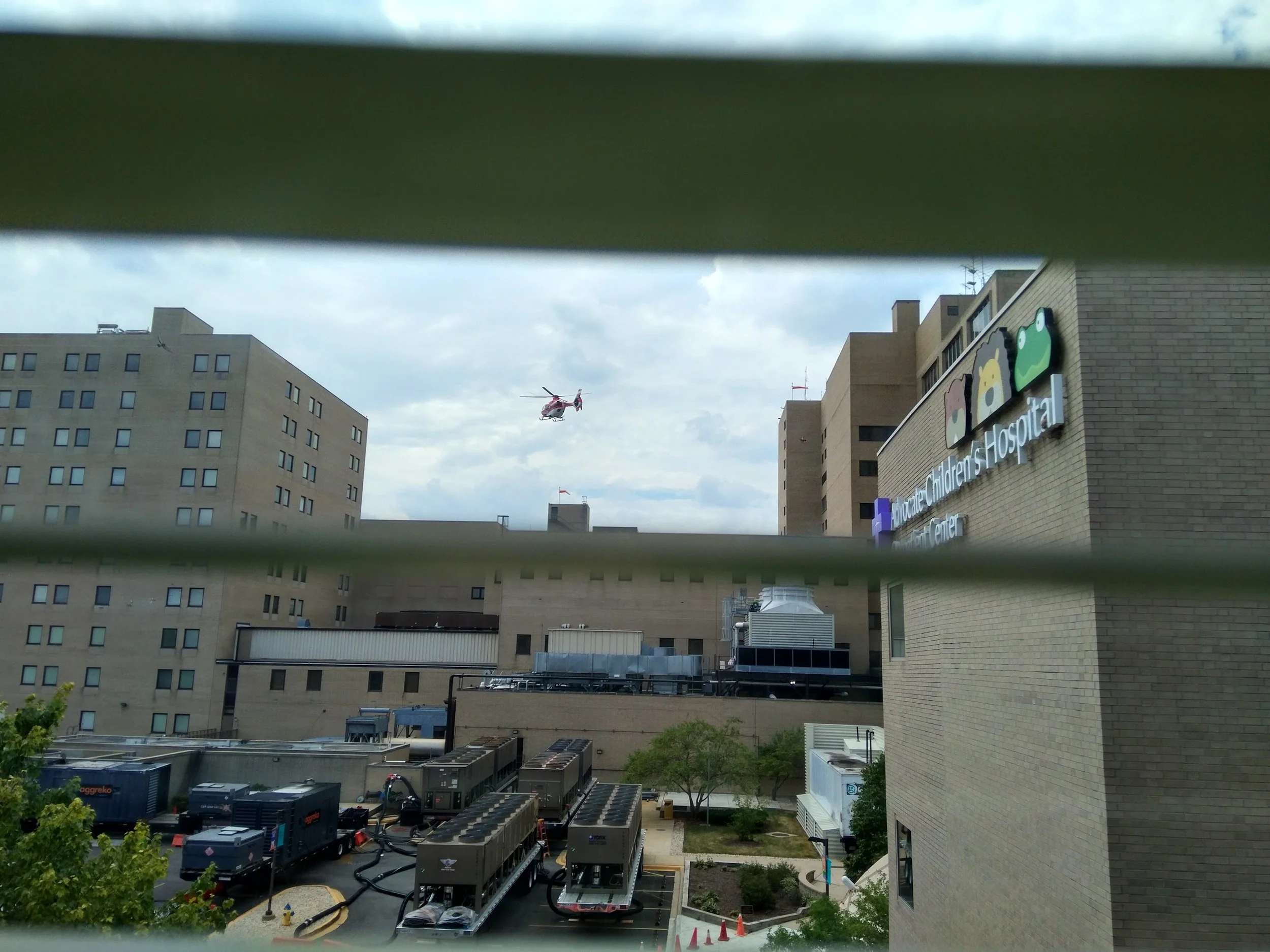
The hospital context included regional trauma care, intensive care units, specialized services, and an integrated spiritual care department.
Overview
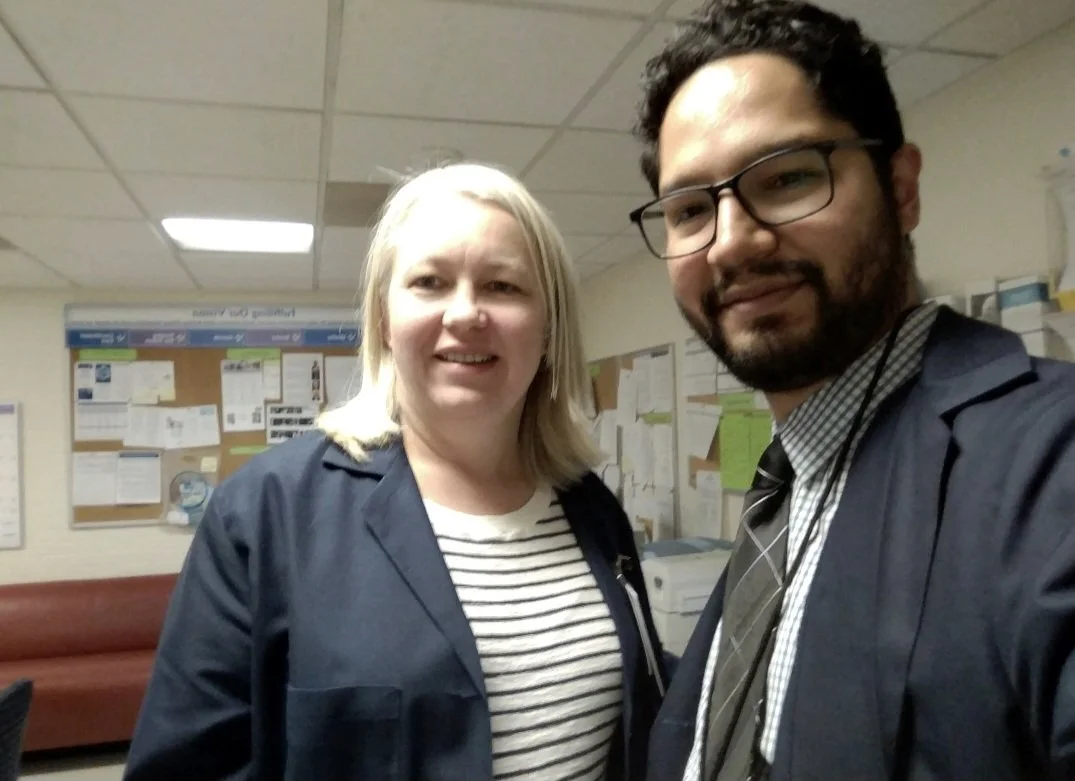
This case study reflects my first unit of Clinical Pastoral Education, completed at Advocate Lutheran General Hospital in Park Ridge, Illinois. The unit introduced me to hospital-based spiritual care through direct patient and family encounters, interdisciplinary collaboration, on-call crisis response, group reflection, supervisory feedback, and theological integration. It was a formative experience in learning how to provide calm, culturally responsive, and spiritually grounded care in moments of illness, grief, uncertainty, and transition.
The Clinical Context
Advocate Lutheran General Hospital provided a demanding and deeply instructive environment for chaplaincy formation. The hospital was described in the supervisory evaluation as a 645-bed tertiary care institution, a regional trauma center, and a major education center with a long-standing Clinical Pastoral Education program. The spiritual care department was integrated into the broader hospital system, allowing CPE students to learn within a real clinical environment shaped by medical urgency, interdisciplinary communication, and patient-centered care.
My Role
As a CPE intern, I participated in weekly on-call shifts, supported patients and families in oncology and other clinical settings, responded to referrals, and engaged Spanish-speaking and diverse patients and families, when appropriate. My work involved spiritual assessment, pastoral presence, prayer, ritual support, emotional accompaniment, and collaboration with nurses, physicians, chaplains, and other members of the care team.
The supervisory evaluation notes that I learned to assess immediate needs in crisis, offer a safe space, help people connect with family or support systems, and function with steadiness when patients and families were adjusting to difficult realities.
Formation Through Crisis & Grief
A central part of this unit involved learning how to accompany people during crisis, death, grief, and uncertainty. In my self-evaluation, I described chaplaincy not as a romanticized image, but as a ministry of support, comfort, listening, and spiritual companionship. I reflected that the chaplain is not a “savior,” but a temporary, peaceful, and present support for people facing suffering, loss, or transition.
This distinction became important in my pastoral identity. I learned to be present without needing to fix the situation, to offer care without taking control, and to respect the spiritual and emotional reality of each patient and family.
Bilingual & Intercultural Spiritual Care
This CPE unit also strengthened my ability to provide bilingual and culturally attentive pastoral care. The supervisory evaluation notes that I frequently accepted referrals to visit Spanish-speaking patients and families, helped peers understand Hispanic and Roman Catholic cultural contexts, and became more comfortable offering prayer and ritual in both Spanish and English.
This experience connected directly with my broader professional identity as a bilingual leader working across cultures, institutions, and ecumenical communities. It reinforced that language access in spiritual care is not only translation. It is a form of dignity, trust, and pastoral presence.
Learning Method & Reflection
CPE is built on a rich action-reflection model. During this unit, I participated in group seminars, verbatim presentations, didactic sessions, individual supervisory meetings, simulated patient encounters, written reflections, and final evaluation work. The curriculum included topics such as ministry at the time of death, critical care chaplaincy, interpreter services, documentation, advance directives, infection prevention, pediatric and perinatal chaplaincy, behavioral health, spiritual assessment, group theory, and care for patients with substance use disorder.
The supervisory evaluation states that I was faithful to the clinical method of learning, wrote clear reflections, analyzed my interactions thoroughly, took initiative for my learning, and tried new ways of caring for patients and families.
Professional Practices & Team Collaboration
This unit also strengthened my professional discipline in a healthcare setting. The supervisory evaluation rated my professional work practices at the highest level across areas such as ethics, confidentiality, patient privacy, timely referral response, constructive interaction with patients and families, interdisciplinary collaboration, punctuality, responsibility for on-call shifts, and communication about department assignments.
The evaluation also notes that I interacted constructively with multidisciplinary staff and was able to perform competently in the hospital setting, including taking charge in a crisis and collaborating with the healthcare team.
Why It Mattered
This experience helped shape my understanding of leadership, care, and public service. Hospital chaplaincy required me to combine emotional intelligence, cultural humility, theological reflection, disciplined listening, and professional communication in a high-stakes environment. It also taught me that effective care depends not only on compassion but also on boundaries, teamwork, reflection, and the ability to remain steady with people in moments that cannot be solved quickly.
For my broader professional profile, this case study demonstrates a distinctive formation path: Pastoral care, bilingual communication, crisis response, intercultural competence, and institutional collaboration within a complex healthcare environment.
Key Capabilities Demonstrated
Clinical Spiritual Care:
Patient and family support in hospital settings
Crisis Response:
On-call chaplaincy and accompaniment in difficult cases
Bilingual Pastoral Care:
Spanish-English support for patients and families
Interdisciplinary Collaboration:
Communication with spiritual care, nursing, medical, and departmental staff
Reflective Practice:
Verbatims, supervision, feedback, and clinical learning
Cultural Humility:
Care across religious, linguistic, and cultural differences
Professional Ethics:
Confidentiality, privacy, punctuality, and responsible clinical conduct